
How We Support Children's Social and Emotional Development

As early childhood teachers, we often say that learning begins with relationships. Before children can confidently explore, make friends, solve problems, and take on new challenges, they need to feel safe, valued, and connected.
One of the most rewarding parts of our role is watching children grow emotionally and socially. These early years are a time when children learn who they are, how to express their feelings, and how to build meaningful relationships with others. The foundations they develop now help prepare them for a positive and confident transition to school.
Creating a Sense of Belonging
Every child who walks through our doors is unique. They arrive with their own personality, interests, family experiences, and ways of communicating. We take time to get to know each child and their whānau so they feel welcomed and valued from the very beginning.
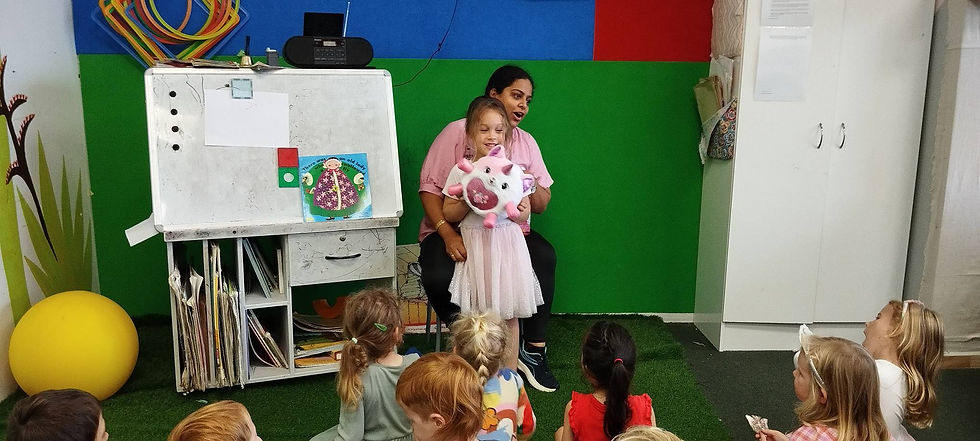
When children feel that they belong, they are more confident to participate, make friends, and engage in new experiences. A warm greeting in the morning, familiar routines, and caring relationships with teachers all help children feel secure and supported.
Helping Children Understand Their Feelings
Big feelings are a normal part of childhood. Whether it's excitement, frustration, sadness, or pride, children are still learning how to recognise and manage their emotions.
Throughout the day, we support children by helping them name their feelings and understand that all emotions are okay. We encourage conversations such as:
"You look disappointed because the game has finished."
"I can see you're feeling proud of what you've created."
These simple moments help children develop emotional awareness and learn healthy ways to express themselves—important skills they will continue to use as they move into school.
Learning Through Friendships
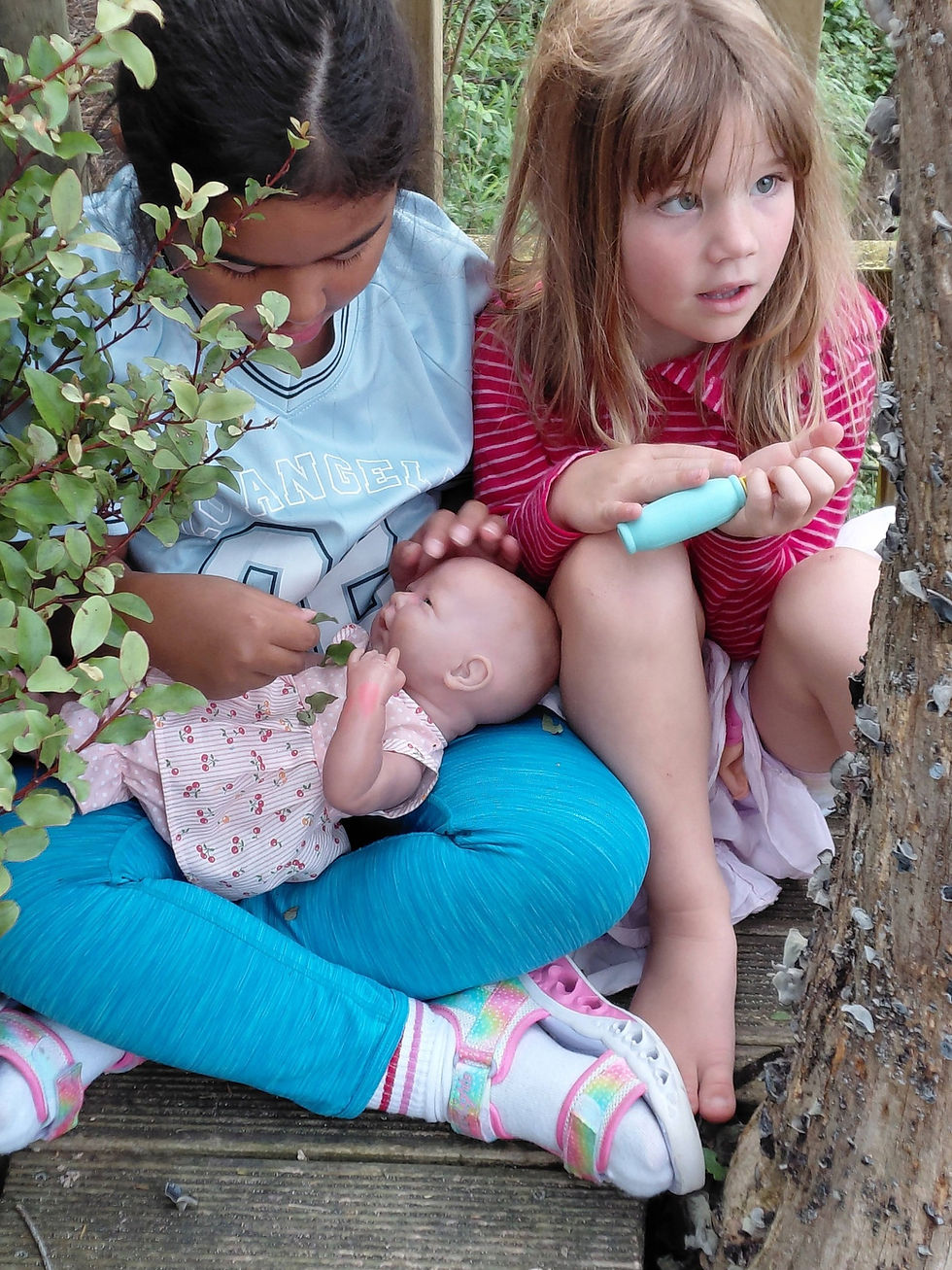
Making friends is an important part of early childhood. Through play, children learn how to share, cooperate, negotiate, and show empathy.
Friendships don't always come easily, and that's okay. We gently guide children through social situations, helping them learn how to take turns, solve problems, and understand different perspectives.
These experiences help children build the confidence and social skills needed to participate positively in a school environment.
Encouraging Independence and Confidence
One of our goals is to help children believe in themselves and become confident in their own abilities. We provide opportunities for children to make choices, take responsibility, and try things independently.
Whether it's packing away resources, managing their belongings, choosing an activity, or solving a small problem, these experiences help children develop resilience and a sense of capability.
These are valuable life skills that support children as they transition to school and become more independent learners.
Working Together With Families
Children thrive when there is a strong partnership between home and their early learning environment. We value the relationships we build with families and believe that open communication helps us support each child in the best possible way.
By sharing observations, celebrating milestones, and working together, we can help children feel confident and prepared for the next stage of their learning journey.
Preparing Children for the Next Step
Social and emotional development isn't something that happens during a specific lesson. It is woven through every interaction, every friendship, every challenge, and every success throughout the day.
As teachers, it is a privilege to watch children develop confidence, resilience, independence, and a strong sense of belonging. These qualities play an important role in helping children feel ready for school and excited about what comes next.
We are proud to support each child on this journey and to create an environment where they feel safe, valued, and encouraged to grow into confident, capable learners.
Comments